

I’m in Mexico City on vacation. This was a last-minute trip and I’m not doing anything too serious: some archaeology, a self-guided conchas tour, things like that. (My preliminary conclusion is that there is insufficient variance in the quality of conchas to make a tour interesting: the worst concha I had, out of a bag at a stall in the Teotihuacan parking lot, was not really that different from the best one I had, from a bougie bakery in the fancy part of town, with noticeable vanilla flavor and moderately interesting texture.)
In this lighthearted mood I made my way yesterday to the Zócalo, the main city square. The surrounding streets were packed with parked Army and National Guard vehicles, and the Zócalo itself was closed off to visitors. It was full of soldiers in parade order, listening to speeches. There was a row of howitzers and an enormous Mexican flag.
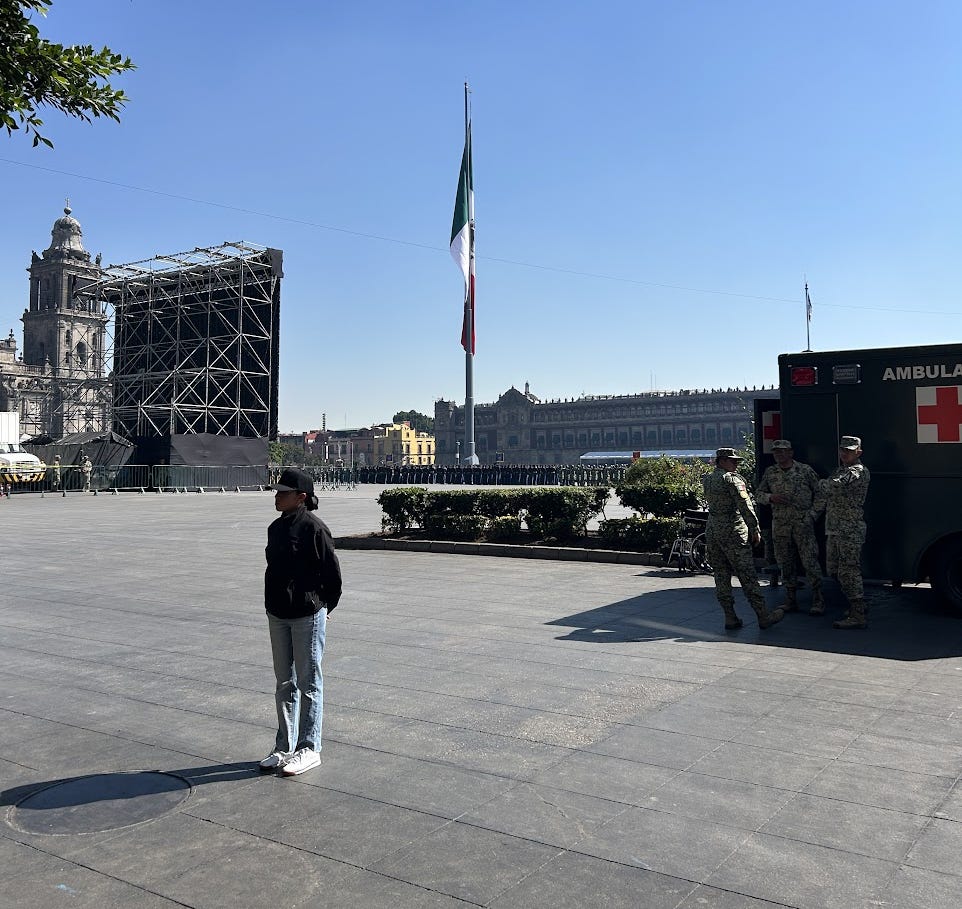
I learned that, on February 9, Mexican armed forces celebrate the March of Loyalty. On February 9, 1913, a group of cadets from a Mexican military academy escorted President Francisco I. Madero from his home, the presidential palace, to the seat of the federal executive, which is on the Zócalo. In American terms, this would be like West Point army cadets escorting the US President from Residence in the middle part of the White House to the West Wing.
At the time, Mexico was in the middle of a military coup, and Madero’s enemies had recently captured and then left the Zócalo. Madero made the march to rally other parts of the armed forces, keeping them loyal to his government.
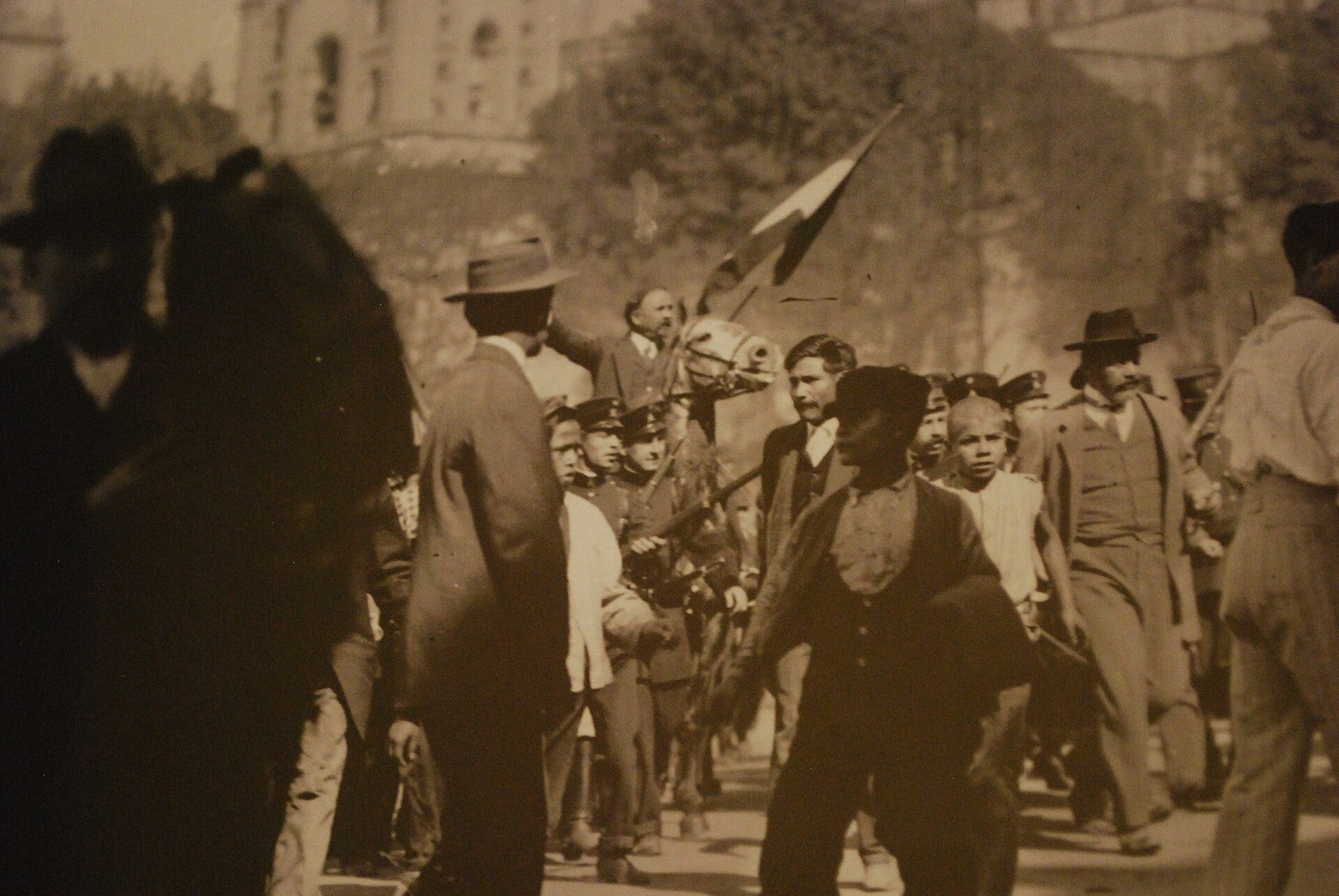

The coup was part of the larger Mexican Revolution, one of many tumultuous periods in Mexico’s history, not to be confused with the War of Independence against Spain, begun by Miguel Hidalgo in 1810, nor the Second Franco-Mexican War, best remembered in the US for the Mexican victory in the Battle of Puebla on May 5, 1862, that is, Cinco de Mayo.1 The Mexican Revolution was a revolution against Porfirio Díaz. Originally a freedom fighter in the Second Franco-Mexican War, Díaz ruled the country from 1876 to 1911, eventually as a de facto dictator, winning rigged election after rigged election. Madero had organized the resistance against Díaz, deposed him, set up democratic elections, and won in a landslide.
Madero had difficulty uniting the country. He was liberal enough to get support from left-wing revolutionaries but moderate enough to alienate many of them once elected. The conservative elements who were in power under Díaz, including many businesses, parts of the armed forces, and the Church were always opposed to Madero’s leadership.
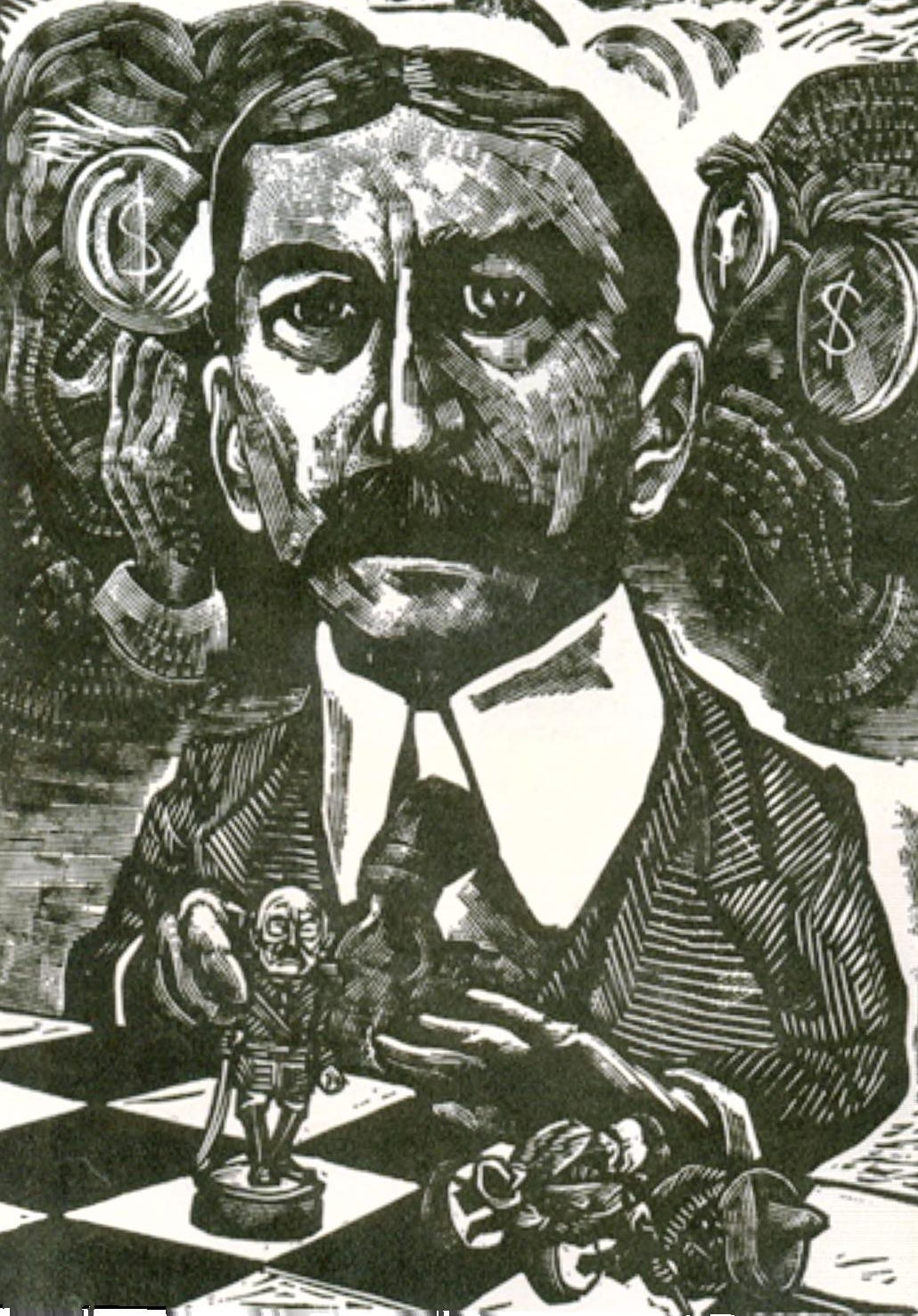
Enter Henry Lane Wilson, appointed by US President Taft as ambassador to Mexico. Son of the US ambassador2 to Venezuela, Wilson worked in business until he lost everything in the 1893 economic crash, at which point he took up his father’s mantle and became US ambassador to Chile, then to Belgium, and finally to Mexico.
Wilson personally never liked Madero, and he concluded that US interests, especially the interests of US businesses that had profited from amenable arrangements during the Díaz regime, would be better served if Madero were removed from power.
Wilson organized and amplified resistance to Madero, maintaining plausible deniability for every particular action but clearly a key force behind Madero’s eventual ouster. Wilson failed to broker a peace between the anti-Madero generals, but he did succeed in ensuring that Madero was killed, rather than allowed to live in exile as Díaz had.
In the meantime, back in the US, President Taft, who had appointed Ambassador Wilson, was succeeded by President Woodrow Wilson (of no relation). President Wilson was horrified by the actions of Ambassador Wilson and recalled him.
But the damage was done. Madero was succeeded by a general who lost the support of the US, leading to another round of revolution and counter-revolution. It’s not clear exactly when the Mexican Revolution ended: you could say as early as 1917, when the current Mexican constitution was established, or as late as 2000, when the party of the military quasi-dictators first lost the majority in the lower legislative house.
On February 9, Mexico celebrates respect for institutions, especially respect from the military for constitutional law. This makes me wish we in the US had a holiday to celebrate George Washington’s resignation as commander-in-chief.
Nor the First Franco-Mexican War, nominally to protect the private property of French citizens in Mexico, the Mexican-American War, caused by the US annexation of Texas.
Technically some of these positions weren’t full-blown ambassadorships but lower-ranking diplomatic postings.